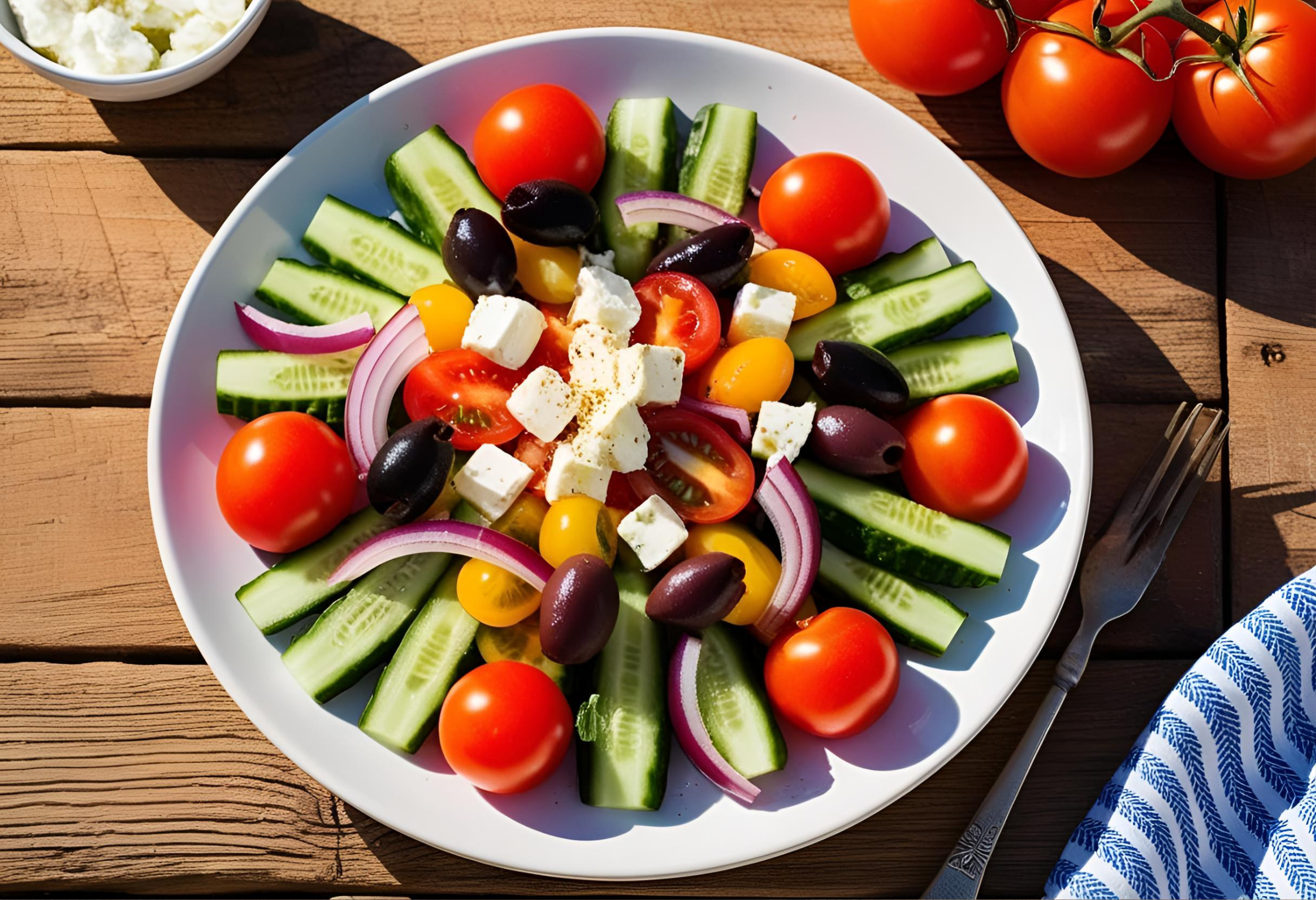

8 Delicious Greek Recipes Using Kalamata Olives
Greek cuisine relies heavily on Kalamata olives, which come from the scenic region of Kalamata, Greece. They are a crucial ingredient of traditional Greek cuisine because of their deep purple colour, meaty texture, and rich, fruity flavour. When added to salads, spreads, baked goods, or slow-cooked dinners, Kalamata olives give each taste a substantial, salty depth.
This blog will cover eight authentic Greek recipes that showcase the delicious versatility of Kalamata olives. These recipes are influenced by tavernas and traditional Greek home cuisine, which emphasises premium, straightforward ingredients.
DISCLAIMER: The food photography featured on this blog includes AI-generated images created for illustrative purposes. While these visuals aim to represent foods authentically, they are digital interpretations and not actual photographs. Traditional recipes, cooking methods, and cultural insights shared here remain accurate and research-backed. We encourage readers to focus on the culinary knowledge behind each dish, using these images as creative enhancements rather than literal representations
Table of Contents
Toggle8 Delicious Greek Recipes Using Kalamata Olives
Horiatiki
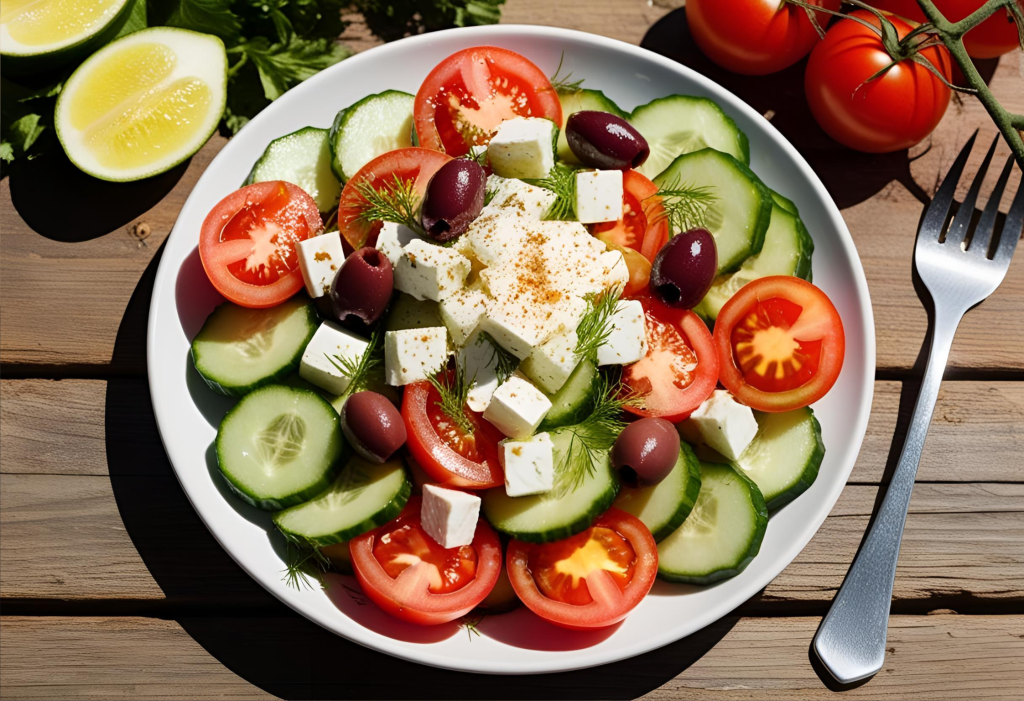
Often referred to as the traditional Greek village salad, horiatiki is a colourful and revitalising dish that perfectly captures the simplicity and freshness of Mediterranean cuisine. Ripe tomatoes, crisp cucumbers, red onions, green bell peppers, briny Kalamata olives, and creamy feta cheese pieces are all used in its preparation. Premium olive oil, red wine vinegar, and dried oregano are added for garnish.
Horiatiki doesn’t include lettuce like other salads do, so the natural flavours of its premium ingredients take centre stage. This well-liked classic exemplifies Greek cooking, which uses few but superb ingredients to produce robust, healthful flavours. Horiatiki is a must-try for anyone interested in trying authentic Greek cuisine. It’s great as a side dish or a light supper with crusty bread.
Ingredients
3 large ripe tomatoes, cut into wedges
1 cucumber, sliced into half-moons
1 green bell pepper, sliced into rings
½ red onion, thinly sliced
15-20 Kalamata olives (pitted or whole)
200g feta cheese, cut into a slab or cubes
1 tsp dried oregano
3-4 tbsp extra-virgin olive oil
1 tbsp red wine vinegar (optional)
Salt to taste
Instructions
Prepare vegetables:
Cut tomatoes into chunky wedges.
Slice cucumber into thick half-moons.
Thinly slice bell pepper and red onion.
Assemble salad:
In a large bowl, gently combine tomatoes, cucumber, bell pepper, and red onion.
Scatter Kalamata olives over the top.
Add feta:
Place the slab of feta on top (traditional) or sprinkle cubed feta over the salad.
Season:
Drizzle generously with olive oil.
Sprinkle with oregano and a pinch of salt (lightly, as feta and olives are salty).
Add red wine vinegar if using.
Serve:
Toss gently just before serving to keep ingredients intact.
Enjoy with crusty bread to soak up the juices!
Melitzanosalata
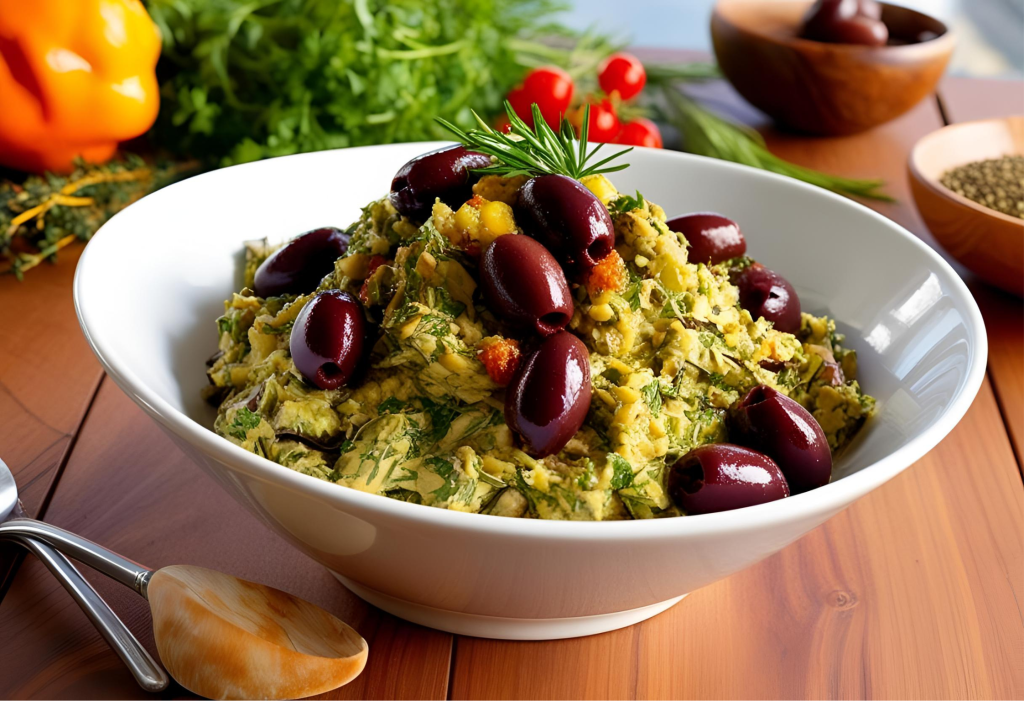
A mainstay of Mediterranean mezze, melitzanosalata is Greece’s cherished smoky eggplant dip, which combines charred eggplant with lemon, parsley, olive oil, and garlic for a colourful taste. Modern variations frequently incorporate Kalamata olives, which offer a salty flavour that delightfully contrasts with the dip’s creamy texture, while classic recipes keep it simple. The eggplants are usually peeled, drained, and mashed with aromatics after being roasted whole until charred, either over an open flame for smokiness or baked for convenience.
For a homestyle feel, some versions leave the mixture lumpy, while others pulse it until it’s smooth. It’s a must-try for anyone interested in Greek cuisine’s solid, vegetable-forward dishes and goes well with warm pita or crusty bread when served cold with extra olives and olive oil drizzled over it.
Ingredients
2 large eggplants (globe variety preferred)
2–3 garlic cloves, minced (adjust to taste)
¼ cup extra-virgin olive oil (plus extra for drizzling)
2 tbsp lemon juice (or red wine vinegar)
¼ cup fresh parsley, finely chopped
½ small red onion or 2 spring onions, finely diced
½ cup Kalamata olives, pitted and halved (for garnish/folding in)
Salt and pepper to taste (go light—olives add saltiness)
Optional: ½ tsp smoked paprika, ¼ tsp cumin, or crumbled feta for garnish
Instructions
- Char the eggplants (for smoky flavour):
- Pierce eggplants with a fork and roast whole over an open flame (gas stove/grill) or under a broiler, turning until skin is charred and flesh is tender (~15–20 mins).
- Alternative: Bake at 400°F (200°C) for 50–60 mins until collapsed.
- Drain excess moisture:
- Cool eggplants, peel off charred skin, and place flesh in a colander. Press gently to remove bitter juices (15–20 mins).
- Prepare the base:
- Mash eggplant with a fork (for chunky texture) or pulse in a food processor (for smoother dip). Avoid over-processing.
- Fold in garlic, onion, parsley, olive oil, lemon juice, salt, and pepper. Taste and adjust seasoning.
- Add olives:
- Stir in half the Kalamata olives for briny depth. Reserve the rest for garnish.
- Chill and serve:
- Refrigerate for 30+ mins to meld flavors. Drizzle with olive oil, top with remaining olives, and sprinkle smoked paprika or feta if using.
Psari Plaki
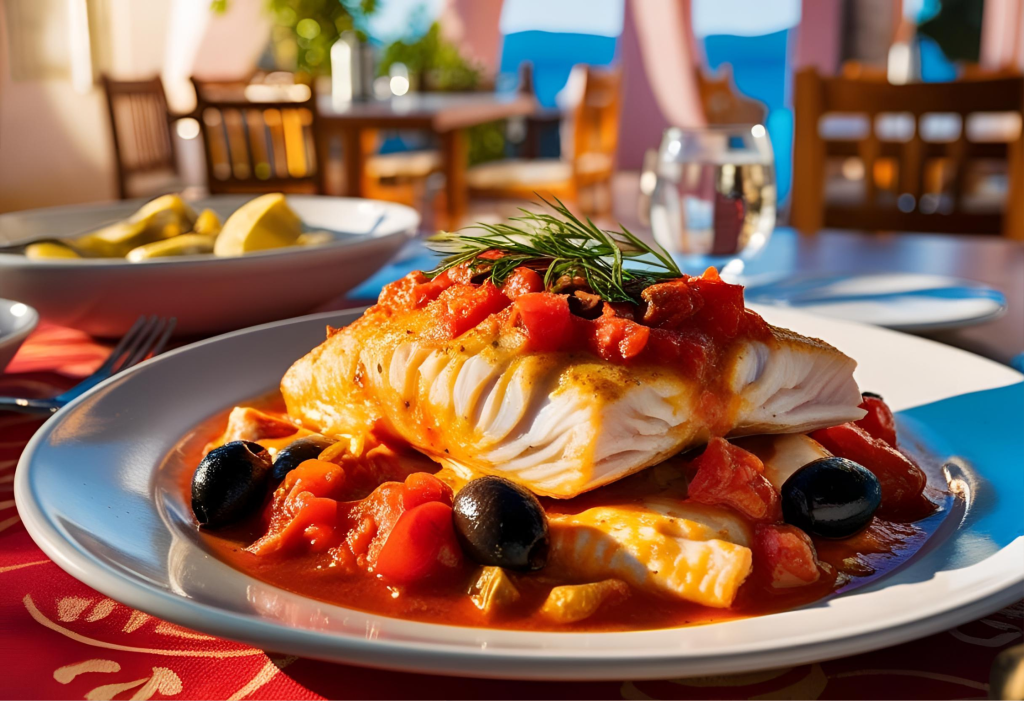
The traditional Greek baked fish dish, psari plaki, celebrates the strong tastes and simplicity of the Mediterranean. Tender white fish (usually cod, halibut, or snapper) is baked in a rich tomato-based sauce with olive oil, garlic, onions, and flavorful herbs like dill and oregano in this filling dish. Kalamata olives are a notable addition in many variants, adding a saline depth that balances the fish’s mildness and the tomatoes’ sweetness.
Usually, the fish is tucked into the sauce, absorbing the rich flavours while baking until it becomes soft and flaky. Psari Plaki, a versatile dish that can be served with crusty bread, lemon rice, or a crisp salad, is proof that Greek cuisine survives on fresh ingredients and time-honoured techniques. It is equally appropriate for weeknight dinners and festive celebrations.
Ingredients
1.5–2 lbs white fish fillets (cod, halibut, or snapper work best)
¼ cup extra-virgin olive oil (plus extra for drizzling)
2 large onions, thinly sliced (yellow or red)
4 garlic cloves, minced
1 (28-oz) can diced tomatoes (or crushed tomatoes for a smoother sauce)
½ cup Kalamata olives, pitted and halved
½ cup dry white wine (optional but recommended for depth)
2 tsp dried oregano (Greek oregano preferred)
1 tsp sweet paprika or ½ tsp cinnamon (for warmth)
1 lemon (juiced + slices for garnish)
¼ cup fresh parsley, chopped
Salt and pepper to taste (go light—olives add saltiness)
Instructions
Prep the fish:
Pat fish fillets dry and season with salt, pepper, 1 tsp oregano, and half the lemon juice. Let marinate for 15–30 minutes.
Make the sauce:
Heat olive oil in a large oven-safe skillet. Sauté onions until soft (5–7 mins), then add garlic and cook until fragrant.
Stir in tomatoes, wine, paprika/cinnamon, remaining oregano, and olives. Simmer for 15–20 mins until thickened.
Assemble & bake:
Nestle fish fillets into the sauce, spooning sauce over the top. Add lemon slices if desired.
Bake at 375°F (190°C) for 20–25 mins until fish flakes easily (internal temp: 145°F/63°C).
Finish & serve:
Drizzle with extra olive oil and sprinkle with parsley. Garnish with feta crumbles (optional).
Serve with crusty bread, Greek lemon rice, or roasted potatoes to soak up the sauce.
Dakos
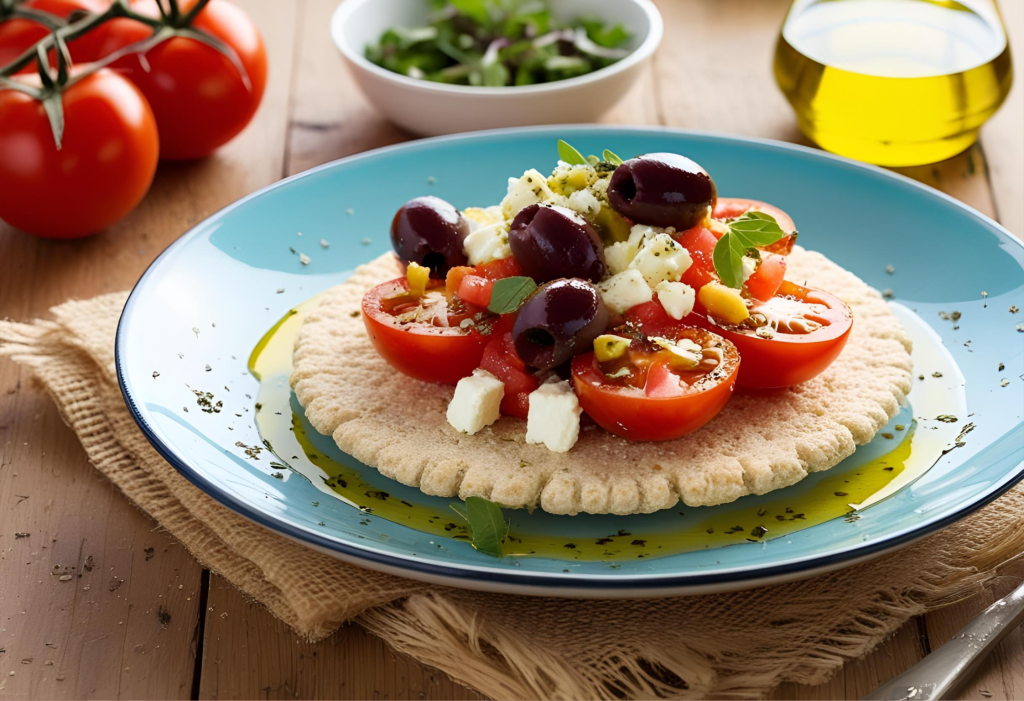
Dakos, a rustic and savoury salad from the island of Crete, is sometimes called ntakos or koukouvagia (meaning “owl” in various Cretan dialects). The classic Cretan barley rusk, a twice-baked, tough bread prepared from whole barley flour intended to endure for months, is at its core. The rusk is softened by briefly dipping it in water or, more conventionally, drizzling it with tomato juices from ripe, freshly grated tomatoes. This gives the rusk a bright taste without making it mushy.
A variety of Mediterranean classics are then added to the dish, including sharp capers, briny Kalamata olives, juicy diced tomatoes, and creamy feta cheese (or the regional xinomyzithra, a slightly sweet whey cheese that is exclusive to Crete). A generous drizzle of extra-virgin olive oil and a sprinkle of dried oregano combine everything, creating a harmonious blend of crunchy, juicy, and creamy textures in every bite.
Dakos, which originated from the need to preserve bread for shepherds and sailors, is more than just a salad; it is a tribute to Crete’s unique culinary legacy. These days, it’s frequently consumed with a shot of raki (Cretan grape alcohol) as a light meal, appetizer, or even breakfast. Although purists emphasize simplicity, some modern twists incorporate fresh herbs like basil, bell peppers, or cucumbers. Perfect for summer tables or anybody craving a taste of the Mediterranean, Dakos is a sun-soaked celebration of fresh, healthful ingredients that can be served as an open-faced bruschetta or tossed like a Panzanella.
Ingredients
2 Cretan barley rusks (look for PDO/PGI-certified paximadi)
2 large ripe tomatoes, grated (pulp only, skins discarded)
100g feta cheese (or authentic xinomyzithra), crumbled
10-12 Kalamata olives, pitted & halved
½ small red onion, thinly sliced
2 tbsp capers (optional but traditional in some regions)
3-4 tbsp extra virgin olive oil (Cretan if possible)
1 tbsp red wine vinegar
1 tsp dried oregano (Greek mountain variety preferred)
Sea salt & cracked black pepper to taste
Fresh oregano or parsley for garnish
Instructions
- Prepare the barley rusks:
- Lightly sprinkle rusks with water or tomato juice (just enough to soften slightly – they should retain crunch)
- Alternative: Briefly dip in water (1-2 seconds max) and drain on a rack
- Make the tomato base:
- Grate tomatoes on a box grater (discard skins)
- Mix pulp with 1 tbsp olive oil, vinegar, pinch of salt
- Build the dakos:
- Place softened rusks on serving plate
- Spoon tomato mixture generously over each rusk
- Add crumbled feta, olives, onion slices, and capers
- Finish & season:
- Drizzle liberally with remaining olive oil
- Sprinkle with dried oregano and fresh herbs
- Add freshly ground pepper (salt sparingly – feta & olives are salty)
- Rest before serving:
- Let sit 5-7 minutes (allows flavours to meld while keeping rusks textured)
Soutzoukakia Smyrneika

Soutzoukakia Smyrneika, a popular Greek comfort food, originates in the cuisine of Smyrna (present-day Izmir), which was brought to Greece by refugees following the Asia Minor Catastrophe in 1922. Usually made with ground beef, soaked bread, and aromatic herbs, these oblong, cumin-spiced meatballs are cooked in a flavorful tomato sauce that includes red wine, garlic, and cinnamon. Many cooks add Kalamata olives to the sauce for an additional burst of Mediterranean flavour; their saline depth wonderfully balances the sauce’s sweetness and the meatballs’ overtones.
Soutzoukakia are shaped like “fat cigars,” as opposed to circular meatballs, and are frequently pan-fried to crisp the outside before being baked or stewed in the tomato-olive sauce to absorb its strong tastes. This dish, which is typically served with rice, creamy mashed potatoes, or crusty bread to lap up the olive-studded sauce, is a good example of how Greek cooking can elevate simple ingredients to create incredibly filling dinners. A delicious tribute to the displaced communities who enhanced Greece’s culinary legacy, Soutzoukakia Smyrneika is a testament to cultural tenacity. It now includes the delight of Kalamata olives for a genuinely authentic touch.
Ingredients (For Meatballs)
500g ground beef (or 50/50 beef-pork mix)
1 small onion, grated
2 garlic cloves, minced
1 egg, lightly beaten
2 slices stale bread, soaked in milk/water & squeezed dry
1 tbsp cumin (key spice)
1 tsp ground cinnamon
½ tsp allspice (optional but traditional)
¼ cup fresh parsley, chopped
Salt & pepper to taste
Olive oil for frying
Ingredients (For Sauces)
2 tbsp olive oil
1 onion, finely diced
2 garlic cloves, minced
400g crushed tomatoes (canned or fresh)
1 cup beef/chicken stock
½ cup dry red wine (optional)
1 tsp sugar (balances acidity)
1 bay leaf
1 cinnamon stick
10-12 Kalamata olives, pitted
Salt & pepper to taste
Instructions
1. Prepare the Meatballs:
In a bowl, combine ground meat, grated onion, garlic, egg, soaked bread, cumin, cinnamon, allspice, parsley, salt, and pepper. Mix gently (don’t overwork).
Shape into oblong meatballs (like small sausages, ~6cm long).
Heat olive oil in a pan and brown meatballs on all sides (2-3 mins total). Set aside.
2. Make the Sauce:
In the same pan, sauté onion until soft (~5 mins). Add garlic and cook for 1 min.
Pour in red wine (if using) and simmer until reduced by half.
Add tomatoes, stock, sugar, bay leaf, and cinnamon stick. Simmer for 10 mins until slightly thickened.
Stir in Kalamata olives.
3. Cook the Meatballs:
Gently place meatballs into the sauce. Spoon sauce over them.
Cover and simmer on low heat for 25-30 mins (until cooked through).
Remove bay leaf and cinnamon stick before serving.
4. Serve:
Drizzle with extra olive oil and sprinkle with fresh parsley.
Pair with:
Mashed potatoes (traditional)
Rice pilaf or crusty bread
Greek yogurt on the side
Gemista
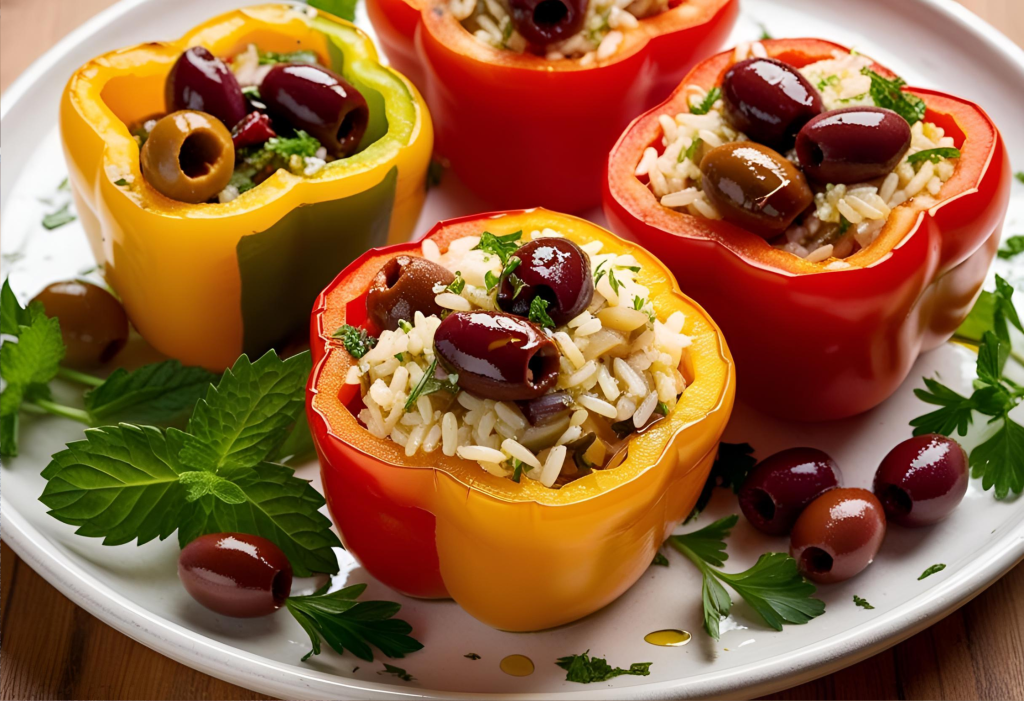
With ripe vegetables hollowed out and filled with a fragrant mixture of rice, fresh herbs, and aromatic spices, Gemista, Greece’s famous stuffed tomatoes and peppers, is a sun-drenched celebration of Mediterranean flavours. Modern adaptations frequently use Kalamata olives, which offer a salty depth that delightfully contrasts with the sweetness of the tomatoes and peppers.
At the same time, traditional versions rely on ingredients such as Carolina rice, mint, parsley, and tomato pulp for the filling. The recipe frequently includes potato wedges that crisp in the pan with a ton of olive oil, which are roasted slowly until the vegetables are tender and the rice has absorbed their juices.
Although Gemista can be vegetarian or contain ground beef, the rice filling with olives is a particularly noteworthy version that combines the tang of olives with allspice or cinnamon for warmth. Greek ladhera (oil-based) cuisine is embodied in this dish, which can be served warm or at room temperature with a side of feta and a drizzle of extra-virgin olive oil. It is hearty, colourful, and highly comforting.
Ingredients
4 large tomatoes (ripe but firm, like Beefsteak)
4 bell peppers (any color; red/yellow for sweetness, green for earthiness)
¾ cup short-grain rice (Carolina or Arborio; parboiled rice works best to avoid mushiness 410)
1 large onion, finely diced
3 garlic cloves, minced
½ cup Kalamata olives, pitted and halved
½ cup fresh parsley, chopped
¼ cup fresh mint or spearmint, chopped (key for authentic flavor 13)
1 tsp dried oregano (Greek mountain variety preferred)
½ tsp paprika or cinnamon (optional, for warmth)
½ cup crumbled feta (optional; omit for vegan version)
⅓ cup + 4 tbsp extra-virgin olive oil (Cretan PDO if possible)
1 cup crushed tomatoes (canned or fresh)
2 medium potatoes, cut into wedges (for baking alongside)
Salt and pepper to taste
Instructions
1. Prepare the Vegetables
- Hollow the tomatoes: Cut tops ½-inch below stems; reserve tops. Scoop out pulp/seeds into a bowl, leaving ½-inch-thick walls. Chop pulp finely.
- Hollow the peppers: Remove tops and seeds. Lightly score insides to help flavours penetrate.
- Salt the shells: Sprinkle hollowed tomatoes/peppers with salt and place upside down to drain excess liquid.
2. Make the Filling
- Sauté aromatics: Heat ⅓ cup olive oil in a pan. Cook onion until soft (5 mins), add garlic, paprika/cinnamon, and oregano.
- Combine ingredients: In a bowl, mix sautéed onions, rice, chopped tomato pulp, olives, parsley, mint, 1 tsp salt, and ½ tsp pepper. Add feta if using.
- Adjust moisture: Filling should be wet but not soupy (add tomato juice or water if dry).
3. Stuff and Assemble
- Fill vegetables: Spoon rice mixture into tomatoes/peppers, filling ¾ full (rice expands!). Replace tops like lids.
- Arrange in pan: Place stuffed veggies in a oiled baking dish. Nestle potato wedges around them.
- Add liquids: Pour crushed tomatoes and ½ cup water into the pan. Drizzle 4 tbsp olive oil over everything.
4. Bake
- Cover and bake: At 375°F (190°C) for 1 hour covered with foil.
- Uncover and finish: Bake 30-45 mins more until rice is tender, veggies are charred, and potatoes are golden.
5. Serve
- Rest 10 mins: Lets flavours meld. Drizzle with pan juices and extra olive oil.
- Pair traditionally: Serve with feta, tzatziki, or crusty bread to soak up juices.
Lagana Bread with Kalamata Olives
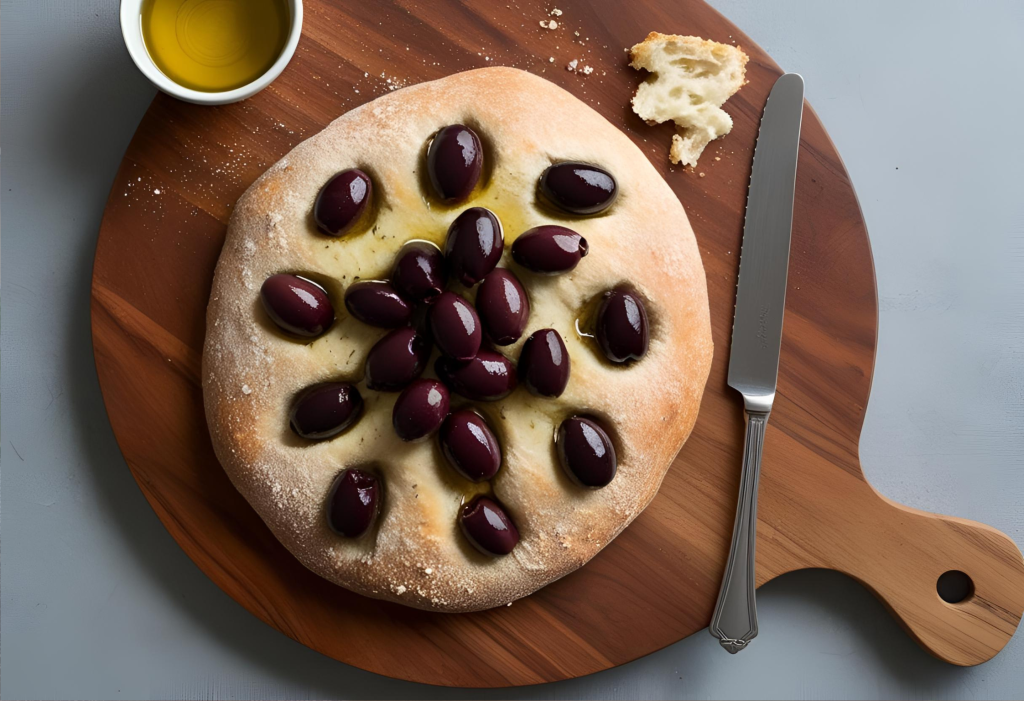
Traditionally eaten on Clean Monday (the first day of Lent), lagana bread is a classic Greek flatbread that is an excellent canvas for Mediterranean flavours, particularly when topped with Kalamata olives. Traditionally leavened with yeast and topped with sesame seeds, this crisp yet pillowy bread, evocative of focaccia, is now frequently made with briny Kalamata olives for a savoury depth that enhances its delicate sweetness. The rich, acidic flavour of the olives infuses every mouthful, whether kneaded into the dough or sprinkled on top before baking.
Lagana’s dimpled surface, which is made by pushing fingertips into the dough and helps in the adhesion of the toppings and olive oil, gives it a rustic charm. This bread reflects Greece’s appreciation of vibrant, simple ingredients and can be served warm with dips like taramosalata or drizzled with extra-virgin olive oil. Although it is often a Lenten dish, its adaptability (particularly when combined with Kalamata olives) makes it a year-round favourite, whether served as a side dish, appetiser, or snack.
Ingredients
3 cups bread flour (or all-purpose flour for a softer texture)
1.5 tsp active dry yeast (or instant yeast)
1 tsp sugar (to activate yeast)
1 tsp salt (adjust to taste; olives add saltiness)
1 cup warm water (110°F/45°C)
3 tbsp extra-virgin olive oil (plus extra for brushing)
1 cup Kalamata olives, pitted and roughly chopped
1 tbsp sesame seeds (traditional topping)
Optional: 1 tsp dried oregano or rosemary for added flavor
Instructions
1. Activate the Yeast
Dissolve sugar and yeast in warm water. Let sit for 5–10 mins until frothy.
2. Prepare the Dough
In a large bowl, mix flour and salt. Add the yeast mixture and olive oil.
Stir until a shaggy dough forms, then add chopped olives.
Knead for 8–10 mins by hand (or 5 mins with a dough hook) until smooth and elastic. Add flour sparingly if too sticky.
3. First Rise
Place dough in an oiled bowl, cover with a towel, and let rise in a warm place for 1–1.5 hours until doubled.
4. Shape the Lagana
Punch down the dough and transfer to a floured surface.
Flatten into a large oval or rectangle (~½-inch thick). Traditional Lagana is flat and dimpled.
Use your fingers to press deep dimples into the surface (helps with even baking).
5. Second Rise & Toppings
Transfer to a parchment-lined baking sheet. Brush with olive oil and sprinkle with sesame seeds and optional herbs.
Let rise for 30 mins while preheating the oven to 375°F (190°C).
6. Bake
Bake for 25–30 mins until golden brown and hollow-sounding when tapped.
For a crispier crust, brush with water before baking or spritz the oven with water for steam.
7. Cool & Serve
Let cool on a wire rack for 15 mins before slicing.
Serve with olive oil, tzatziki, or hummus.
Stifado
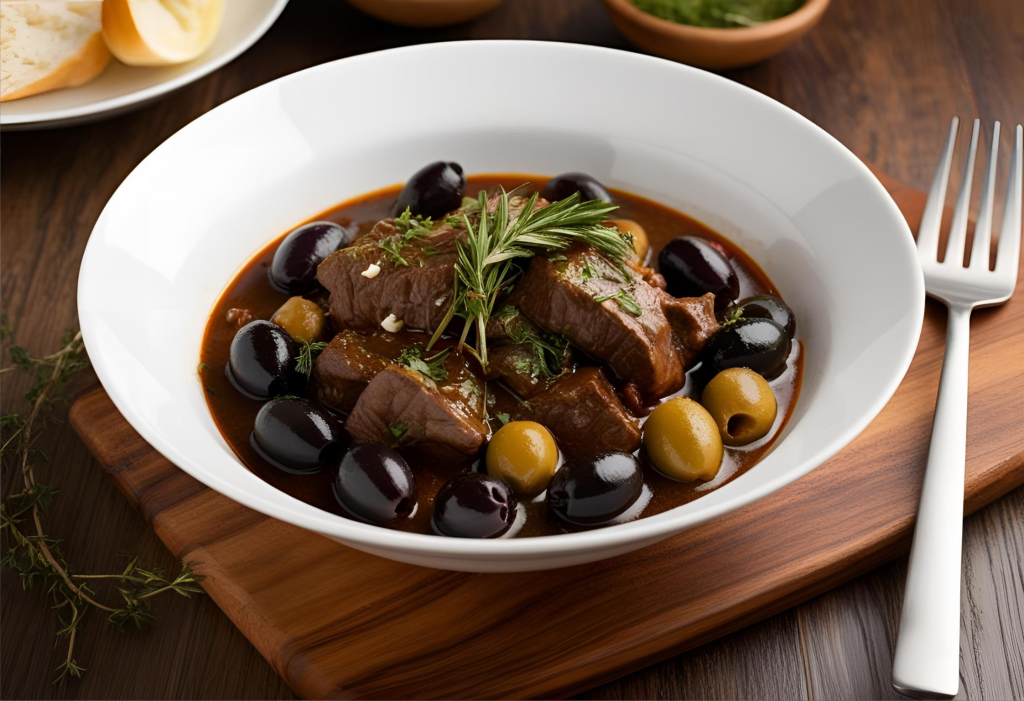
The popular slow-cooked beef stew in Greece, stifado, combines tender meat, flavourful spices, and a tart tomato-wine sauce to create a symphony of rich tastes. Modern versions frequently incorporate Kalamata olives, which offer a saline depth that counterbalances the stew’s warmth from the cinnamon, cloves, and allspice, while traditional recipes emphasize pearl onions for sweetness.
The secret to the dish’s charm is its lengthy simmering, which typically takes two or more hours. This allows the meat to become incredibly delicate and absorb the flavorful sauce made with red wine, vinegar, and herbs like oregano and bay leaves. Stifado, a resilient dish brought to Greece by refugees from Smyrna (now Izmir), is a year-round, filling comfort food today. To help absorb the flavourful sauce, serve it with crusty bread, mashed potatoes, or orzo. For a creamy contrast, don’t forget to add some feta.
Ingredients
1 kg stewing beef (chuck or shoulder, cut into 5cm cubes)
500g pearl onions (or small shallots, peeled & left whole)
4 garlic cloves, minced
2 tbsp tomato paste
400g crushed tomatoes (canned or fresh)
1 cup dry red wine (Greek Agiorgitiko or Xinomavro preferred)
2 tbsp red wine vinegar
1 cinnamon stick
3 bay leaves
1 tsp whole allspice berries
½ tsp ground cloves
1 tbsp dried oregano
½ cup Kalamata olives, pitted
3 tbsp extra virgin olive oil
Salt & black pepper to taste
1 tsp sugar (optional, to balance acidity)
Instructions
1. Prepare the Beef
Pat beef dry and season generously with salt & pepper
Heat 2 tbsp olive oil in a heavy pot and brown beef in batches (don’t overcrowd)
Remove beef and set aside
2. Build the Base
In the same pot, sauté pearl onions until lightly golden (5-7 mins)
Add garlic, tomato paste, cinnamon, allspice, and cloves – cook 1 min until fragrant
Deglaze with red wine & vinegar, scraping up browned bits
3. Simmer the Stew
Return beef to pot with crushed tomatoes, bay leaves, oregano, and sugar
Add enough hot water to barely cover meat (~1 cup)
Bring to a boil, then reduce heat to low simmer
Cover and cook for 2 hours (stirring occasionally)
4. Add Final Touches
Stir in Kalamata olives
Simmer uncovered for 30 more mins until sauce thickens
Discard cinnamon stick & bay leaves
Adjust seasoning with salt, pepper, or vinegar
5. Serve
Drizzle with remaining olive oil
Garnish with fresh parsley
Pair with:
Crusty bread or orzo pasta
Greek yogurt or feta cheese
Discover more about Kalamata and the Peloponnese by exploring other sections of our website, where you’ll find detailed travel guides, hidden gems, and top recommendations for your trip. If you want cheap flights to Kalamata, click here.