Peloponnese Greece Beaches: Top 16 Beaches, Maps & Travel Tips
The Peloponnese peninsula has hundreds of beautiful beaches, from easy-going family bays to quiet coves. The coast gets around 300 sunny days each year, and the water stays warm from late spring through October, much like the famous Greek islands. Families will find clear turquoise seas and golden sand. Adventurous visitors can enjoy snorkelling and hiking at many beaches, while parents can relax knowing that popular spots like Karathona or Stoupa have gentle, shallow water that’s safe for children. Here, we share the top 25 Peloponnese Greece beaches by region, all great for family trips.
Table of Contents
TogglePeloponnese Greece Beaches: Top 16 Beaches, Maps & Travel Tips
1. Arvanitia Beach (Nafplio, Argolis)

S-miroslav – Own Work, CC By-SA 4.0, Image might be subject to copyright, Find Out on Commons Wikimedia
Arvanitia is Nafplio’s Blue Flag city beach, located just below the Palamidi fortress. It’s about 200 meters long, with a mix of pebbles and sand, sun loungers, and water protected from northern winds by the cliffs. Children can play safely in the shallow bay, and amenities are close by. It’s only a 10-minute walk from Nafplio’s old town, so Arvanitia is a convenient first stop for any Peloponnese beach trip. When it comes to Peloponnese Greece beaches, this one really stands out!
2. Kantia Beach (Nafplio suburbs)
Kantia Beach is just outside Nafplio, on the way to Iria Village. This long sandy beach has clear, shallow water and shade from trees along the edge. It’s well set up with umbrellas, sunbeds, beach bars, and showers. Local families enjoy windsurfing here when the summer breeze picks up, and like to take evening walks. Parents can relax under the olive trees or rent loungers, knowing their children have lots of space to swim and play in the calm gulf. This spot is considered one of the top Peloponnese Greece beaches.
3. Iria Beach (Iria, Argolis)

Iria Beach is a simple cove in Iria village, with shade from fig and olive trees. The sand is mixed with smooth pebbles, and the shallow, bright blue water is very clear. You’ll often see hammocks between the trees and picnic benches in the shade. In summer, umbrellas and loungers can be rented. The sheltered bay and gentle waves make Iria safe for children, and a small beach bar offers snacks. This quiet spot is a nice change from the bigger resorts when visiting the Peloponnese Greece beaches.
4. Kondili Beach (St. Nicholas, Argolis)
Kondili Beach, near St. Nikolaos above Nafplio, is often called the best beach in Argolis. Bright turquoise water meets a long stretch of golden sand, red pebbles, and palm trees. A small white chapel, Agios Nikolaos, sits on the headland, adding to the view. The bay is shallow and wide near the shore so that families can wade safely. Kondili has umbrellas and cafes at the western end, but the far side stays quiet for those who want more space. Some locals even sunbathe nude at the far edges. This spot is considered one of the top Peloponnese Greece beaches.
5. Nea Kios Beach (Argolic Gulf)

NikosLikomitros – Own Work, CC0 1.0, Image might be subject to copyright, Find Out on Commons Wikimedia
Just west of Nafplio, Nea Kios Beach is a broad sandy area with shallow, warm waters. Adjacent to a walkable harbour lined with colourful fishing boats, it’s a lovely spot for families. The gentle seabed and offshore reeds keep the waves small, making it ideal for swimmers. You’ll find showers and a seaside taverna here. Sometimes surfers kiteboard when the wind strengthens, but overall the setting remains peaceful, making Nea Kios one of the larger Peloponnese Greece beaches for relaxed swimming.
6. Ancient Asini Beach (near Tolo)
This pebble beach is very close to the archaeological site of Asini and near Tolo. It’s a good spot for snorkelers, with colourful fish hiding among rocks and seagrass just offshore. The beach has umbrellas, showers, and a café. The water gets deeper slowly, so it’s safe for children. You can walk from the sand to the ancient ruins and back, making it easy to combine a beach day with some history, a classic Peloponnese outing. This spot is considered one of the top Peloponnese Greece beaches.
7. Karathona Beach (Nafplio)

Kirkor Tarmanof – Panoramio, CC By 3.0, Image might be subject to copyright, Find Out on Commons Wikimedia
Karathona is the main sandy beach south of Nafplio. This long crescent beach is about 2 km long and is lined with palm and olive trees. Two headlands shelter it, so the water stays calm and shallow far from shore. There are tavernas, cafes, and rental shops along the promenade, but even in peak season, it doesn’t feel crowded. Children can wade out waist-deep for a long way, and there’s free public parking. Experts say Karathona’s sandy, shallow water is perfect for young swimmers. It’s easily one of the most beautiful Peloponnese Greece beaches you can visit!
8. Tolo Beach (Argolis)
Tolo is a family resort town built around a wide bay. The sandy beach has umbrellas, paddleboat rentals, and volleyball nets, and the gently sloping gulf has no big waves. Three small pine-covered islets just offshore can be reached by a rental boat, which is fun for children. The town’s waterfront cafes and playgrounds give families plenty to do after swimming.
Visitors often say Tolo feels like a relaxed island suburb. It’s busy in summer, but in the low season the water is clear and the sand is quiet. In spring, there may be a few jellyfish in the warm water, but they aren’t dangerous and are rare by summer. This spot is considered one of the top Peloponnese Greece beaches.
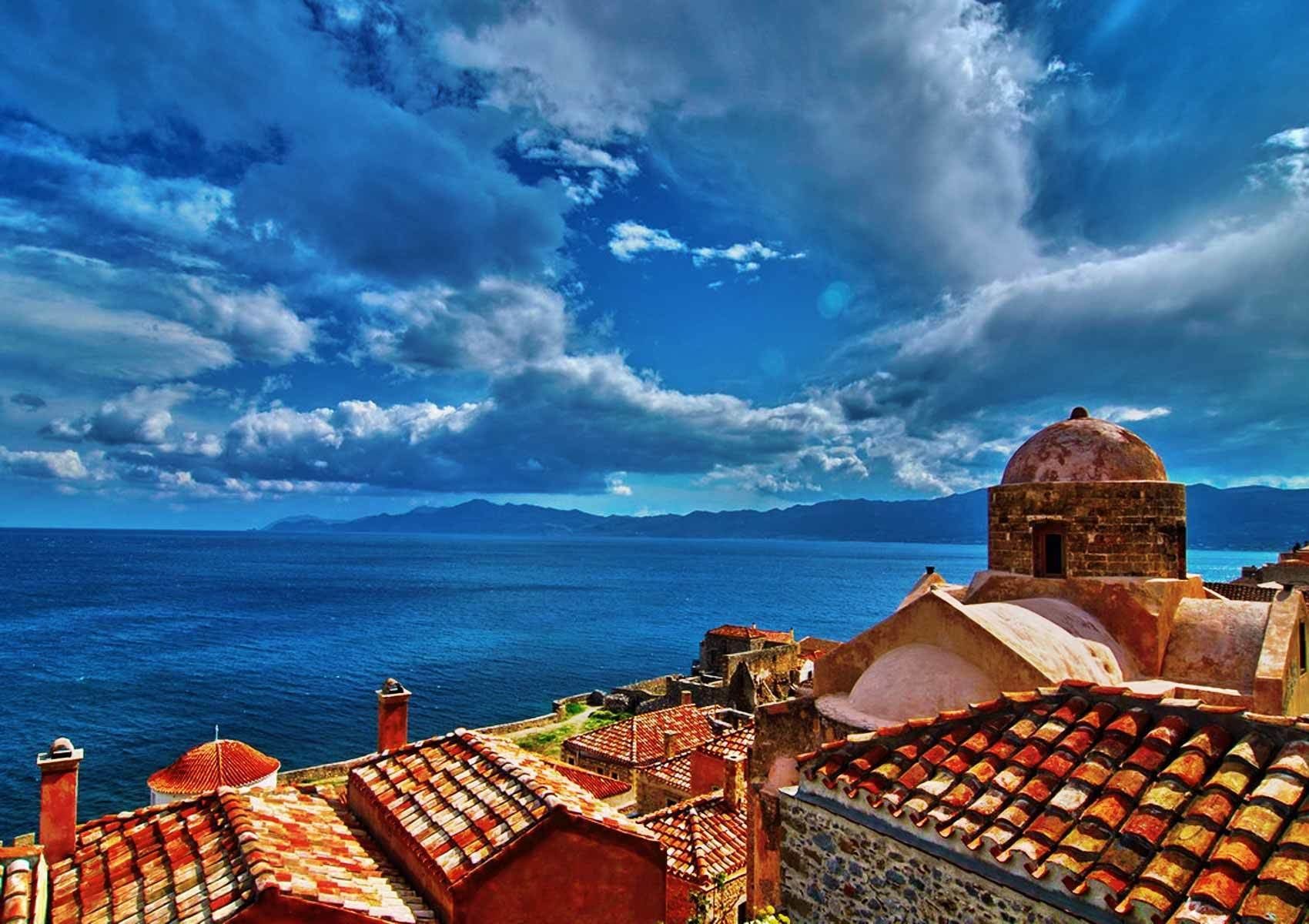
9. Portello (Monemvasia Castle)
Portello is a unique swimming spot inside the town of Monemvasia. It’s a carved area in the rock at the base of the hill. Families use ladders or steps to get into the clear water. There’s no sand, just flat stones, but children can play in the water safely and watch boats nearby. The sea is overlooked by the medieval fortress walls, making swimming there feel like a small adventure. There are no facilities, so bring water, especially for children, but Portello is a memorable stop on any Peloponnese trip, making it one of the best Peloponnese Greece beaches.
10. Simos Beach (Elafonisos Island)

Dnalor 01 – Own Work, CC By SA-3.0, Image might be subject to copyright, Find Out on Commons Wikimedia
Simos is often called the best beach in the Peloponnese. It’s actually two white-sand bays, Big and Small Simos, separated by protected dunes. The soft sand is dotted with pink shell fragments, and it slopes gently into very clear turquoise water. Everyone enjoys Simos: children play in the shallow water, teens snorkel with fish, and parents relax under umbrellas. Getting there is part of the fun. A short 20-minute ferry from Pounta near Neapolis takes you to this island. Simos is very popular in summer, so it’s best to arrive early. Travellers looking for Peloponnese Greece beaches will love this one!
11. Mavrovouni Beach (Gythio, Laconia)

Mavrovouni Beach in Gythio is a huge stretch of sand and pebbles. It’s so long that even when the area near town is busy, the southern end stays quiet. The north side has family tavernas and easy access, while the south is wild and undeveloped.
The shallow water goes out a long way, but the afternoon breeze can bring waves, so families often visit in the morning when it’s calm. A special bonus: loggerhead sea turtles nest here each summer, so that children might see tracks or marked nesting sites. Be sure to respect any tape marking the hatcheries. This spot is considered one of the top Peloponnese Greece beaches.
12. Valtaki Beach (Gytheio)
Vlataki is known for the rusting Dimitrios shipwreck on its golden sand. The ship is an excellent spot for photos, but it’s only safe to take pictures, not to climb. The water beyond the wreck is clean and shallow. Families can swim in clear water out to the wreck, and there are beach bars with showers and rentals nearby. The soft sand and gentle waves make it safe for children, but be sure they don’t try to climb the ship. Glyfada Beach Tavern is close by for shade and snacks. This spot is considered one of the top Peloponnese Greece beaches.
13. Alypa Beach (East Mani)
Alypa is a small, traditional cove in Mani, surrounded by old stone houses and tamarisk trees. The beach is made of smooth white pebbles, not sand, so it’s good to bring water shoes. The water is very clear, and you can see the bottom even several meters out. There’s one seaside taverna, a stone building on the pebbles, serving grilled fish and Greek salad in the shade. The bay faces east, so it’s sunny in the morning and cooler in the afternoon. Alypa’s charm and calm water make it great for families who want a quiet meal by the sea. This spot is considered one of the top Peloponnese Greece beaches.
14. Foneas Beach (Mani, near Kardamyli)

Oliver Deisenroth – Own Work, CC By-SA 3.0, Image might be subject to copyright, Find Out on Commons Wikimedia
Foneas is one of the most striking beaches in Mani. A steep stone path leads through scrubland to a small bay with a tall rock offshore. The beach is made of smooth pebbles that drop quickly into deep, clear blue water. This isn’t a gentle, sandy cove. Children need to be watched closely or wear shoes, but the scenery and quiet are hard to beat.
On calm days, you can snorkel along the underwater cliffs and see fish in the clear water. There’s a small shop selling drinks and ice cream, but no other amenities, so bring your own snacks and drinks. Adventurous families will love Foneas, but toddlers need extra care on the pebbles and near the cliffs. This spot is considered one of the top Peloponnese Greece beaches.
15. Kalogria Beach (Stoupa, Messinia)

Kalogria is Stoupa’s most popular sandy cove. The soft, golden sand leads into clear, turquoise water, which is cooler than usual because of freshwater springs beneath the sea. Children enjoy the shallow, calm water, where you can stand far out without strong waves. The bay is very scenic, with green hills rising from the sand. Kazantzakis, the author of Zorba the Greek, was inspired here. Today, visitors enjoy pedal boats, paddleboards, and a row of tavernas serving ice cream and grilled fish. Kalogria can get busy by midday in summer, so locals recommend coming early or at sunset for a quieter visit. Overall, Kalogria is one of the safest and best sandy beaches in the Peloponnese for families.
16. Voidokilia Beach (Navarino Bay, Messinia)

Grzontan – Own Work, CC By-SA 3.0, Image might be subject to copyright, Find Out on Commons Wikimedia
Voidokilia is often called one of the most beautiful Peloponnese Greece beaches. It’s a perfect half-moon of soft sand with calm, shallow water between dunes and a lagoon. The still water is excellent for swimmers and easy paddling. Voidokilia is in a protected reserve, so there are no umbrellas or loud beach bars, just quiet sand and gentle waves. Older children can hike to the Palaiokastro fortress or along the lagoon trail for great views. In short, Voidokilia offers beautiful scenery and safe, shallow swimming, making it a must-see on any Peloponnese beach trip as it’s one of the best Peloponnese Greece beaches.
17. Other Notable Beaches

There are many more beaches in the Peloponnese beyond this list. Romanos Beach near Costa Navarino is very family-friendly, with lifeguards, gentle waves, and lots of shallow sand. Finikounda and Koroni in Messinia have long sandy beaches with resorts behind them. In Kalamata, the main city beach is sandy and very safe. Neapoli’s beaches, like Agios Nikolaos, have nice sand bars.
In eastern Peloponnese, check out the castle beach at Methoni or the resort beaches on Zakynthos, which is a short ferry ride away. Many small hidden coves can be found along the Mani and Epidaurus coasts, perfect for adventurous families. For convenience, look for beaches with Blue Flags and good amenities, and always check recent reviews or ask locals about current conditions. This spot is considered one of the top Peloponnese Greece beaches.
Travel Tips and Maps
Best Time to Visit: The warmest water and most stable weather are from late May to October, with temperatures up to about 26°C. July and August are the busiest months, with more crowds but plenty of amenities. May, June, September, and October are less crowded and still warm. The Peloponnese has long summers and about 300 sunny days each year.
Getting Around: Renting a car is the best way to explore the Peloponnese Greece beaches. Public buses only serve a few beach towns, such as Arvanitia, Karathona, and Tolo, and the schedules are infrequent. With a car, you can reach all the top beaches easily on good roads. If you don’t want to drive, you can join organised tours from Athens or Kalamata that visit several sites in one day.
Where to Base: Nafplio in Argolis is an excellent area for visiting eastern beaches and cultural sites. Kalamata or West Messinia is best for reaching Voidokilia, Finikounda, and the southwest coast. Mani villages like Kardamyli or Stoupa are perfect for exploring the rugged Laconian beaches. All these places are easily accessible by good roads, and regional maps show the main coastal routes to Nafplio, Mani, and Messinia.
What to Pack: In addition to swimwear, bring reef-safe sunscreen, as the area is environmentally protected. Many Peloponnese Greece beaches have pebbles or rocks, so water shoes are helpful. A sun umbrella helps on beaches without shade. Bring cash for small tavernas or parking, as card machines are rare in villages. For toddlers, floaties or lifejackets add extra safety at the busier beaches with gentle water.
Safety for Children: Most Peloponnese Greece beaches are as safe as those on the islands. Blue Flag beaches like Karathona and Stoupa (Kalogria) have very shallow water at the entry. Lifeguards are not everywhere, so always watch your children. Avoid rocky areas if you don’t have water shoes. Some popular sandy beaches, like Voidokilia, Simos, and Kalogria, have very calm water where children can play in waist-deep water far from shore.
Combining Beaches with Culture: Many Peloponnese Greece beaches are close to historic sites, which is a big plus. For example, from Nafplio you can spend the morning at Arvanitia or Karathona and visit Mycenae or Epidaurus in the afternoon. In Mani, swim at Alypa or Foneas, then see a Byzantine tower or the old town. In Messinia, you can pair Voidokilia with a visit to the ruins of Nestor’s Palace. Every beach day can be like two vacations in one, sea and ancient Greece.
Maps: For planning, check the VisitGreece or VisitPeloponnese websites for coast maps. Online map tools help you find beach locations and driving routes. Google Maps and GPS work well, and cell service is good in most towns.
Local Advice: Check the local conditions upon arrival. On windy summer afternoons, some beaches can get choppy, like northern Tolo. In spring, jellyfish are rare except in a few places. Arriving early or late helps you avoid crowds at popular beaches. Also, watch for small parking signs and beach names as you drive. The Peloponnese has hidden gems like Kalamitsi and Balta, accessible via unpaved tracks that online guides may miss.
Peloponnese Greece beaches really do offer families the best of both worlds: clear water, sandy coves, and a landscape full of history and adventure. Whether you want a sunset walk on a golden beach, a snorkelling trip with the children, or a quiet seaside village to relax, the Peloponnese has it all. With these tips and maps, your family can explore the coast safely and efficiently, making great memories for all ages.
Discover more about Kalamata and the Peloponnese by exploring other sections of our website, where you’ll find detailed travel guides, hidden gems, and top recommendations for your trip. If you want cheap flights to Kalamata, click here.